
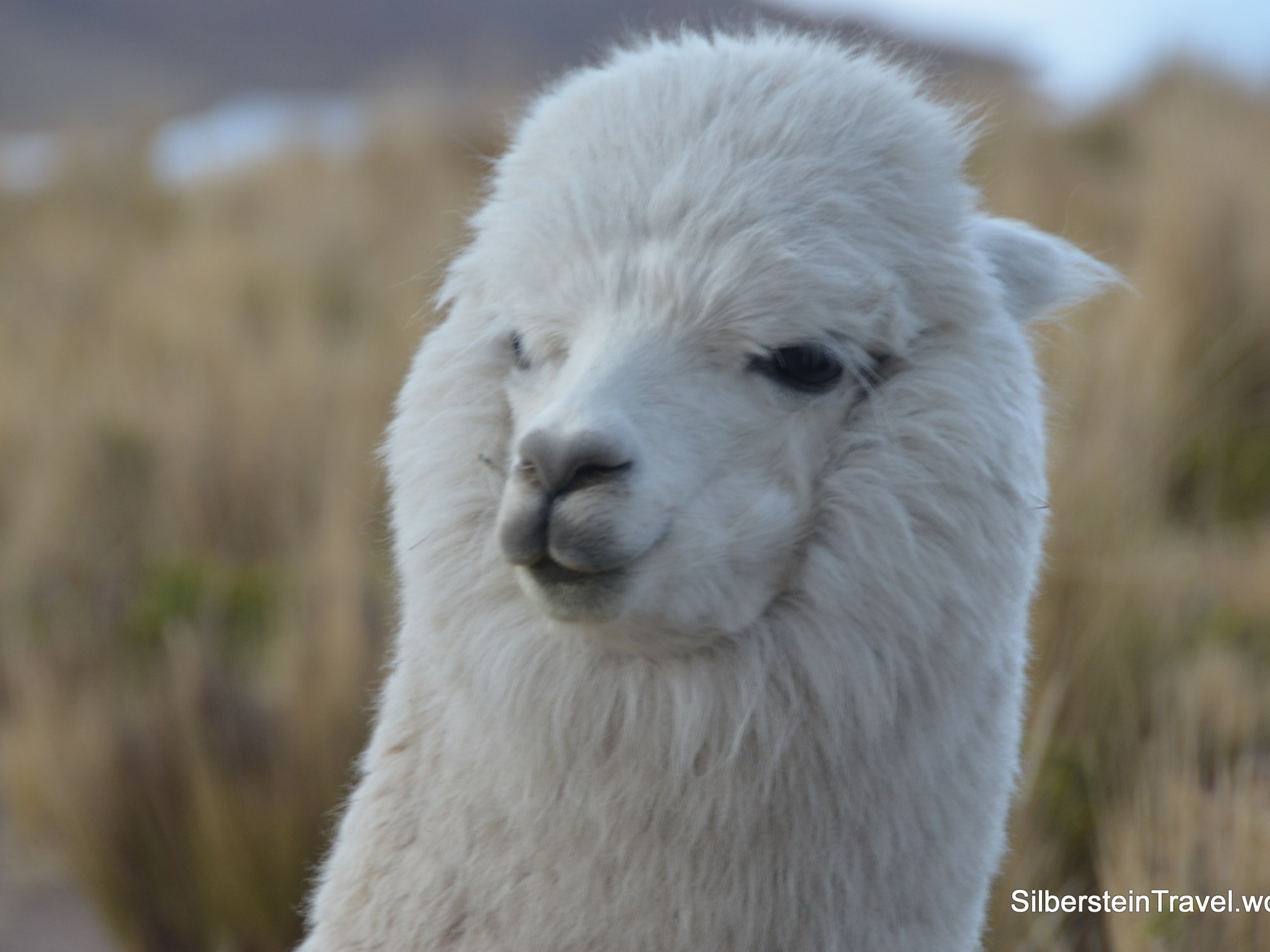
Travel itinerary
- Arrival to Lima at 5pm with direct flight (Iberia) from Madrid (11 hours)
- Direct flight to Arequipa (1 hour with LC Peru Boeing 737)
- Touristic bus to Puno (4M Express) – 6 hours with stop overs
- Touristic bus to Cuzco (Wonder Peru) – 10 hours with stop overs Touristic and lunch
- Private car from Cuzco to Olantaytambo via Cinchero, Salineras de Maras and Moray – 6 hours
- Train to Aguas Calientes (Inka Rail, 1.5 hours) and return next day
- Shuttle bus to Machupicchu sanctuary
- Direct flight to Lima (1 hour with LC Peru Boeing 737)
- Departure from Lima to Madrid via Bogota (Avianca and Iberia, 13 hours flights and 4 hours stop over)
Places
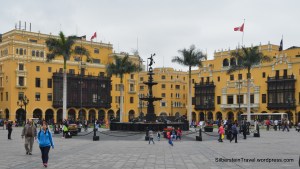 Lima (1+2 days)
When coming to Peru Lima usually is the first touch of the country. Huge (9mio habitants) and diverse city. The kingdom of chaos, enormous traffic and never ending garua.
We have landed at 5pm. Two things to be done at the airport: cash withdrawal and taxi arrangement.
ATM’s to be found in the luggage claim area. Maximum amount 400PEN. Still you can exchange your money as well however the rates are simply not acceptable. ATM does not charge any provision for Visa withdrawal but MasterCard is penalized (15PEN for 400PEN withdrawn).
It is recommended to arrange a taxi before leaving the arrival area. Of course it is still possible to go outside and easily find a taxi (cheaper), however this is quite a risky solution. We chose to go for Taxi Green which is one of the cheapest in the airport but still very reliable. The rates are fixed and depend where you go (3 persons to Miraflores 50PEN and 4 for 70PEN). We were 4 and the first time they accepted the price for up to 3 persons. Second time there was no discussion and charged us the price of van for 4 persons. You can still share the ride but remember that if you stop in more than one destination the price will be up charged (we have paid 90pen for 2 stops in Miraflores and Barranco).
Usually you pay at the airport when ordering the taxi but this is not the fix rule. The cars are in a good shape which distinguish them from the outside fleet.
We have been in Lima 2 times and stayed in 2 different places. See the link to my Trip Advisor reviews. Miraflores hotel, Sucre hostel.
How to move around
Transportation in Lima is relatively easy if you prefer taxis. “Relatively” means that sometimes it may be challenging. The well-known rule is that the price must be ALWAYS agreed upfront. The usual fare to the center (more or less 30 minutes depending on traffic) should not exceed 15 soles. Never accept the driver’s offer. The quality of Cubs differ much. The estimated number of taxis in Lima is 300,000. You can imagine the majority is not licensed. Most of them are in a very bad shape ow ever acceptable for a short ride. There are also a lot of registered radio taxis. It is easy to order them for instance from the hotel. When in the street sometimes it takes time to catch the good one. We have traveled a lot with taxis and also have been catching the low-end vehicles. Never experienced any issues with the drivers. It is good to know that driving in some more risky districts (Rimac, Callao) require some safety awareness. Door and trunk must be locked and belongings kept down at your feels. This would prevent a situation when somebody broke the side window and kindly grab your camera from your knees. I must say I have witnessed the similar situation not far from our car.
The second thing you have to consider is high traffic. Especially when going to the airport please note the last 2km may take some time.
Another interesting option is the bus called Metropolitano. This is a Lima version of metro. The buses go every few minutes on separated lines, thus avoiding traffic. The stations and boarding is very similar to metro and it is well organised. The line goes along main avenidas in North-South direction. The ride from Miraflores to the center will not exceed 25 minutes. However, during rush hours the buses as well as platforms are really crowded and it is necessary to queue before going boarding the bus.
The price is unique: 2.5 sole for a single ride no matter how far. It is necessary to have a prepaid card (5 soles). This can be loaded using automatic machines on every station (only Spanish) with whatever amount. One card can be shared among several Passengers.
If you are familiar with the city you may take the challenge to ride with colectivo (a small bus stopping on request following the predefined route). No advise from my side – was not brave enough to try that.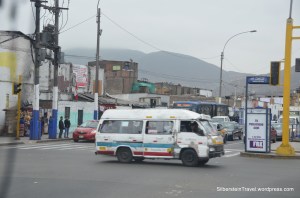
However, two times we used a “more regular” city bus (1.20soles single use ticket). This was possible as we wanted to go along one avenida and hoping the bus would not turn away. It is good to confirm your desired destination with the driver. We succeeded. However, due to the traffic we drove 7km for one hour. That’s the walking pace:-). Anyway, nice experience. By the way, the bus stops only on defined paraderos and not everywhere like colectivos do.
Sightseeing
We were here in winter. I will not focus on the beach, though. However, there are plenty of places that are interesting enough.
The  city center or in other words the area around Plaza de Armas offers nice opportunities to spent some time. All this within the walking distance and with the safety comfort. Plaza de Armas offers nice architecture examples which are nice to be looked at from the outside. The Cathedral with its museum is also worthwhile to visit inside. Plenty of streets commencing at Plaza offer nice place to see when walking around. Some of them (for example Jiron de la Union) are pedestrian only streets but also quite crowded.
Apart from walking around it is good idea to visit the Monastery of St Francisco. Only guided tours, English available. Part of the tour is in the catacombs, however this is not a hardcore experience and may be recommended even to sensitive visitors.
Many people are interested in visiting Rimac district (on the other side of the river). However, this are is considered as rather unsafe. The good and cheap option (5 soles/person) is to join the local touristic bus which goes to the Mirador St Cristobal. When on Plaza de Armas you will notice a number of people trying to sell you the tickets for this bus. It’s ok and we did it. You buy the ticket from the person and then you are guided to the bus standing in the neighbourhood. The only disadvantage is that you never know how many people are already enrolled. The bus will depart as soon as all seats are taken which may take some time if you are the first passenger. By the way, this is the bus for local tourists which means its standard may be far from what you expect. The capacity of the bus is ca 15 people and is guided only in Spanish. The ride to St Cristobal takes around 20 minutes and gives an opportunity to see Rimac streets. Again, keep your cameras down. From the top there is a nice view on Lima which you can enjoy for 20 minutes.
We also wanted to visit the Chinatown. However, it is not very interesting place. One street, indeed with a typical Chinese gate. But when going to this district it is good to visit a big market place (Mercado Central). This is not a touristic place with souvenirs. Rather a place where locals go for everyday shopping. Mostly food. If you are not afraid there is plenty of cheap places to eat as well. We were brave enough to accept fresh fruit juices.
Eat and drink
The centre of Lima offers a lot of places to eat. A meal for 30soles is considered expensive and usually dedicated for tourists. Jiron de la Union has plenty of western style fast foods and tourist restaurants. However, if you want to eat more like locals then there are many small places where the menu of the day is being served. You can find such small bars in the streets south east from plaza the Armas. The typical menu de dia consists of soup, second dish, dessert and drink and costs 7-10soles for the whole meal. The meals are fresh as usually the places are frequently visited by the locals. Of course only Spanish language.
Some nice restaurants can be found on the Ica street towards the Tacna Avenue. The far from Plaza de Armas the better and cheaper.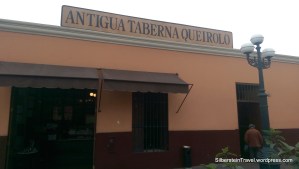
When visiting the Archeological Museum in Pueblo Libre it is good to go to the traditional taberna nearby. For details see the linkTaberna
 Arequipa (2 + 3 days unplanned)
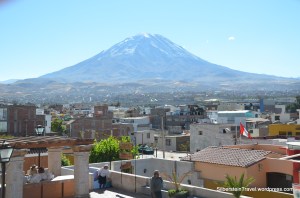
This one of the biggest cities in Peru. Very nicely located at 2400masl and protected by its big neighbor El Misti, the volcano. Arequipa is considered to be perfect place to acclimate before going up into the mountains (for instance before heading to Puno or Cusco which lay much above 3000masl). This is also a natural starting point for the Colca valley and canion. Apart from that Arequipa is simply beautiful place with very charming old town. This is also very touristic place and full of young and educated people (note that Arequipa is the biggest academic centre of Peru).
We planned to stay there only for 2 days and proceed to Colca. At the end due to some emergency we had to revise our itinerary and stayed 5 days. The positive outcome of this was that we would not have had any problems with the altitude sickness when traveling to Cusco later on.
Transportation
We have arrived to Arequipa with the direct 1.5 hour flight from Lima. The flight was 2 hours delayed but was not an exception. It seems that domestic flights have significantly lower priority in Lima. We have been flying with LC Peru, the local airline and were fully satisfied with their Boeing 737 as well as the professional service on board.
Arequipa airport is really small one. The taxi needs to be arrange already at the airport before leaving the arrival area. The cost to the center was 25 soles and took about 20 minutes.
As in other Peruvian cities Thera are plenty of different types of taxis. We have been avoiding small Ticos or Seicentos and always looking for bigger cars with the green logo of Tourism Taxi. Whatever the name meant those cars looked like authorized ones with driver’s license openly presented and having CB radio. Never had any issue with them. The usual fare for the city ride is between 5 to 8 soles. Of course, always negotiate.
Peopel usually start from Arequipa to Colca canon. That was indeed our initial planning. Upon the arrival we went to the bus station (Terminal Terrestre or Terapuerto). We wanted to buy the bus tickets to Cobanaconde. There are several bus companies which operate the route to Cobanaconde via Chivas. We have chosen Andalucia as the departure time was the best. There are plenty of web pages where you can check the actual bus timatable as this seems to change quite frequently (go for webs dedicated either for Cobanaconde or Colca). The tisket costs 17 soles and travel time is 6 hours. Unfortunately, we had to cancel our trip to Colca region. Our initial itinerary was to go from Arequipa to Cobanaconde. Stay overnight. Get up early (before 6am) the following day and catch a bus to Cruz del Condor (20 minutes). From there catch the bus to Chivas where we already had had a 4M Express touristic bus to Puno. As you could see below this ideal plan had to be revised.
Sightseeing
But when in Arequipa why not to visit some interesting places? Firstly, the Religion Museum with the famous mummy of Juanita. Whatever to be said about this it is important to visit this place. You are not allowed to have your phone or camera with you when visiting the museum. At the begining you attend the film showing the history of the Juanita discivery (30 minutes). Then the guided visit. The end of the tour is at the room witn Juanita which I must say is a bit far from expectations. Just a small mummy almost fully covered with the ice.
The second place is much more interesting – the Convent of St Cathalena. This is indeed a village inside the city. We have decide to take a guide (20soles for our family) and do not regret it. Within 1.5h we have been guided through the place and gor a lot of the insight. Then we could still have the same tour on our own and take our time for photos. It’s really nice and intersting place where you can easily spend 2hours at least.
Touristic bus Arequipa – Puno – Cuzco
Normally people like to head to Colca from Arequipa. That was also our intention. Upon arrival we went directly to the terminal terrestre to buy local bus tickets to Cobanaconde. From there we wanted to go to Chivas the following day where the 4M bus would take us directly to Puno. But life is life and for whatever the reason we had to change the plans. Simply saying we had to skip the Colca canyon and rebook our bus to Puno. Thanks to courtesy of 4M Bus we managed to change the route to have the bus from Arequipa.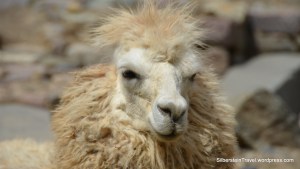
That was indeed a touristic attraction, not just a mean of transportation. The journey took us something like 5 hrs. Stops for enjoying vicunias , altiplano lakes and coca tea to fight with high altitude (4.6km a.s.l). The bus itself was in a good technical condition and very comfortable. Arrived to Puno around 7pm to the main bus station.
 Again, under regular condition tourist usually spend in Puno one day at least enjoying Titicaca lake. However, we were on the run to catch our pre-booked train to Aguas Calientes so had to leave early morning the following day.
This time we had arranged the trip with Wonder Peru. I must say we were a bit afraid of this company having read the opinions in Tripadvisor. However, all other options (I.e. Inkabus) were fully booked. Now I can see all those dramaticly exaggerated claims on Tripadvisor were simply bullshit. The service was really excellent: the driver was driving with full respect to the safety and speed, the on board service was ok, the guide was talkative and competent in both languages. Also the lunch was more than ok.

By the way all 3 bus companies operating on the Road of the sun follow the same scheme and stops exactly in the same places (except lunch). Price wise Inkabus is the most expensive because pretending to be the most experienced. But as someone said (that was Avis to my memory): “we are second so we must try harder”. Usually the market leaders have a tendency for arrogance and become somewhat lazy and not enough sensitive to customers’ needs.
Normally you can buy tickets online. However, sometimes in Peru it is a bit complicated and of course some charges are being added. They are not also eager to respond for emails quickly enough. In our case we have bought tickets in agency in Arequipa. I was a little afraid of that having read many comments about problems with such transactions. Fortunately there was no issue at all. On the day of departure we came to the Terminal Terrestre in Puno 40 minutes ahead and presented our reservation from the agency in the Wonder Peru counter. We got our tickets immediately. Then we had to pay some really petty cash as a kind of the local bus station tax (sic!) in a dedicated official counter. Then we have proceeded to the boarding gate (note we are not at the airport but at the local bus station). We were directed to the bus where our luggage have been checked in and confirmed with the receipt. Perfectly on time the bus left the terminal. Fully professional organization meeting all commonly expected standards.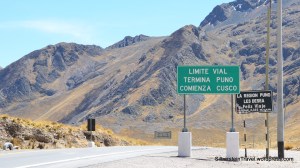
All buses arrive to more or less the same place in Cuzco. This is not a bus terminal but a regular road wide enough to allow bus to unload. Immediately you will be assisted with taxi drivers offering their services. Not necessary to say that their offers are very expensive. We simply stepped away few meters and were asking different drivers directly and quite easy ended up with the transfer for 20 soles for 4 people with luggage (3 times less than offered by the other guys).
On the way to the hotel I thought that would be good to arrange the transportation for the following day. As expected our driver was more than interested in this so made a deal for the next day before we reached our hotel.
Cuzco to Olantaytambo
Our goal was to get to Olanta around 3pm. That would allow us to exchange the reservation voucher for the official train tickets to Aguas Calientes. The road to Olanta is not challenging -can be made within 1.5h with the local bus. However, we thought that would be a nice idea to see something on the way. For that reason we opted to have a private car. For 150 soles we had a wonderful tour visiting places you would never be able to reach by a public transport.
Paco – our driver – picked us at 7:30am from the hotel. Our first stop was in Cinchero – small village at around 3.8km a.s.l. Note that to visit this place you must have a Boleto Turistico which gives you access to many places in Cusco region. You can buy it in every such place. However, the issue we had in Cinchero was that they did not accept credit card – cash only. Moreover, we discovered there was no ATM in the village. Fortunately Paco lent us some money…
Cinchero itself is rather small at sleepy village. We wanted to be there as soon as possible to attend the local market. It was supposed to be the authentic market lacking touristic flavor. Unfortunately when we arrived the locals just started to set up their plots and there have been only few of them. Apart from the market there is nice piece of the Inka wall (the remaining of the ancient summer place of one of the emperors) as well as a small church.
By the way Cinchero is on higher altitude than Cusco (4000 approximately) so when having walk on its endless stairs you may experience some sense of tiredness. Anyway our visit did not last more than an hour in the village and we moved on.
Our next destination was Salineras de Maras and it took us half an hour drive. Salineras are located in the mountain and the last few kilometers are through the country sandy roads. Salineras is the salt production place. On the thousand of small water plots located on the mountain slope they collect salt from the mountain water. The salty water is held in the plots until it vapourates. Then the remaining white powder is being collected by hand to the big sacks and transported by workers uphill to the storage. Indeed the view on Salineras is amazing and is a real must to see. Note the place is excluded from the Cusco ticket and the entrance fee must be paid at the gate. Time for visit at least half an hour.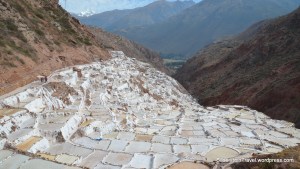
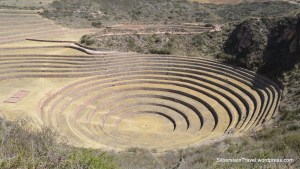
From there we drove another 20 minutes to the amazing archeological site called Morey. Indeed this place had been considered by us as the number one on our way to Olanta. The place is included in the ticket and really is amazing. It consists of a number ( but say 2 main) of circular huge holes. The holes surrounded with the cylindrical stairs or let’s call them pad fields. No one knows what was the purpose of this structure. However the most popular view is that was a kind of Inka experimental agro laboratory. The circles are huge. You need to allow 1 hour to walk around the structures and enjoy the amazing view.
From Morey we took the local country and mountain road directly down to the Urubamba valley. Thanks to our driver we didn’t have to come back to the main road thus that was an important shortcut. That was also an unique occasion to see the local farmers working on the mountain fields with their oxes. The road was really challenging and curving but we end up in the middle between Olanta and Urubamba. From that point it was no more than 30 minutes drive to Olanta.
We have reached Olanta well before 2pm, thus having enough time to the train. First thing we did was to get our hard copy tickets from the railways office. It is important to remember that when you buy the train tickets to Aguas Calientes (we had Inka Rail but I suppose Peru Rail would do the same) on internet you must collect you hard ticket on place at least 30 minutes before the train departure. This is a must to present your credit card that has been used to pay the ticket on internet. Based on that the nice lady will give you your final tickets (return as well). Operation goes smoothly.
Having the tickets in hand we released our Paco and headed to the Olantaytambo fortress. The entrance is easy to find and is surrounded by the souvenir market. By the way the prices are ok as the competition is heavy there.
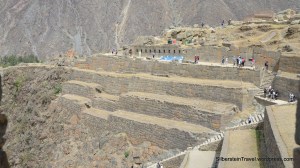
Good news, the visit is included in the Boleto Turistico. The visit in this archeological site should take less than 2 hours. Due to enormous number of the high stairs it is a bit tiring experience. Fortunately Olanta is in the valley well below Cusco altitude so at least from that side there is some relief. There is an unbelievable view on the valley from the top of the fortress. The huge red stone monoliths on the top let you wonder how and from the hell they got and transported them? Again the constructions of the walls are perfect examples of their incredible stone handling and construction capabilities.
Olantaytambo is a nice village in a shadow of the most popular Cusco. It is located at the end of the Urubamba Valley (another end being in Pisac). The village offers a number of lodgings and several restaurants. The prices are considerably lower than in Cusco. However, apart from the fortress ruin the village is known as an alternative train departure to Machu Picchu.
Machu Picchu and Aguas Calientes
In principle there are not many ways to get to Machu Picchu. The most convenient is to take the most expensive train in the world. There are 2 rail companies: Peru Rail and Inka Rail. The most popular departure point is of course Cusco (only Peru Rail) – the station is located in Poroy which is a bit aside from Cusco. The second option is to go from Olanta with Inka Rail. You must be aware that seats are limited and tickets must be booked well in advance (would suggest 1 month in advance in the high season). Inka Rail from Olanta is less popular and slightly cheaper (the train goes 1 hour which is half an hour faster than from Cusco). There are several trains a day but they differ in pricing. Two way ticket is 120USD up.
Some people are afraid to go from Olanta as this seems more complicated if you stay in Cusco. Don’t worry. Even if you do not want to follow our half a day sightseeing trip you have plenty of local buses (20soles 1 way) departing from Cusco directly to Olanta (1-1.5h drive). Also the reurn is easy as there are plenty of buses waiting directly at the railway station untill the arrival of the last train from Machu Picchu.
The trains are meeting the highest standards and of course are tourist oriented. Some small drinks and snacks are offered onboard. By the way there is no visible difference in quality between Peru and Inka Rail. All train arrive to Aguas Calientes to the same terminal and leave from the same station as well. The purchase of tickets via their websites is easy and credit card payment looks secured. However, as always in Peru be carefull when filling your data (passport, names etc). Any mistake may make your collection of the final ticket very challenging. After the purchase you will be emailed with the confirmation which is necessary to collect your tickets at the station (before boarding train).
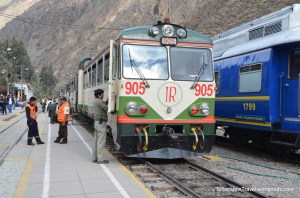
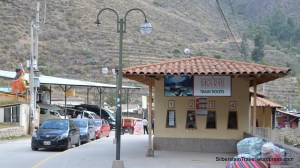
Aguas Calientes is a main MAchu Picchu departure point. It has even been recently renamed to MAchu Picchu Pueblo. This is just a ridiculous Machu Picchu tourist harvesting center. All prices are simply stupid. However, the village is overpopulated with tourists. Do not expect any loyalty in restaurant or wherever. Count and check your bills. Remember, most of the visitors stay here 1 night only. And locals are pretty aware of that. They do not expect to see you ever again. Frankly speaking in Aguas a tourist equals a cash dispenser (ATM or el cajero if you prefer).
On the other hand this predictable behaviour of tourists is used by the local services. In most of the hotels you will get your breakfast ready before 6am for take away (this is the most common schedule when going up to Machu). Usually you can store your luggage free of charge in the hotel. Credit cards are accepted almost everywhere. No problem with English.
The first thing we do upon arrival is to get to the hotel where we leave our luggage. Next is to get the tickets for the tomorrow bus to MP. This is advisable to do that a day before (the ticket office is open until 9m) as usually there is a lot o people waiting. As you will see next morning there will not be much time for that. Important: payment by cash only ($ welcome) and passport must be presented.
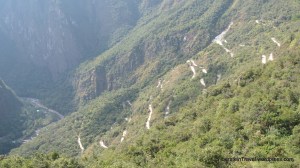 The MachuPicchu day starts early. Normally you are expected to be at the bus stop after 6am. Be sure you will not be the only one and allow something like up to 1 hour waiting in the queue. During waiting time you will have plenty occasions to buy food and drinks from locals selling them. This is also good time to eat your take way breakfast which surely you will get in your hotel. The buses operate as shuttle and operation goes smoothly. Everybody has a seat. The ride takes around 1/2 hour. The price changes frequently – we paid 12$ each way.
This is not the cheapest bus thus there is an option. There is a walking trail, well-marked which starts just after the bridge. Then it goes upstairs 400m up crossing the road on which buses go. One way takes 1.5-2hrs. Many people chose to go by bus up and descend on feet.
At the bus ride ending (close to the Sanctuary Lodge) it is another occasion to join a waiting line. Around half an hour. This time people wait before the main entrance where the thorough tickets and passport checks take place. As soon as done you are finally there.
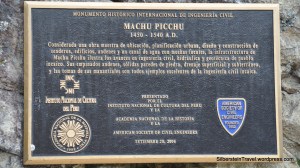 At the entrance close to the left luggage office there is an admin office (a window) where there is possibility to get the MP stamp into the passport (free:-).
The sanctuary is very well described so there is no sense to do it again. However, let me give you some tips and remarks. First of all after the entrance there is no toilet. If you need you must go out (return possible fortunately). No way to buy any food (by the way eating is also restricted as lamas may be jelous). The same with water, however there have been a guard on the entrance to the Inka Bridge trail who had some bottles of water on sale (not sure that was a regular activity). If arriving early (7-8am) take an opportunity to take some pictures. In 1 hour there will be hundreds of people.
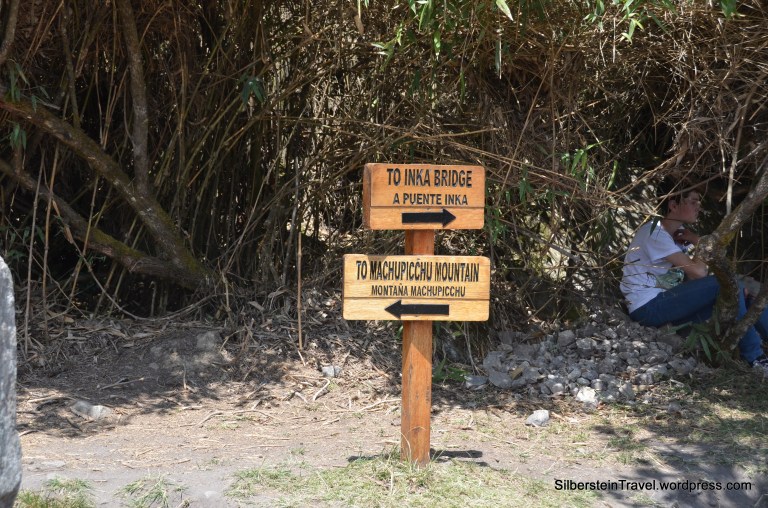
The normal round walk in the sanctuary takes around 2 hours. However, there are many other interesting trails (i.e. up to the Montana, Intipunku or Inka bridge). At the entrance the plan of MP is provided. It’s very useful. However, the points are not well marked apart from the main temples. It’s possible to hire a guide (s/120 for 4 persons).
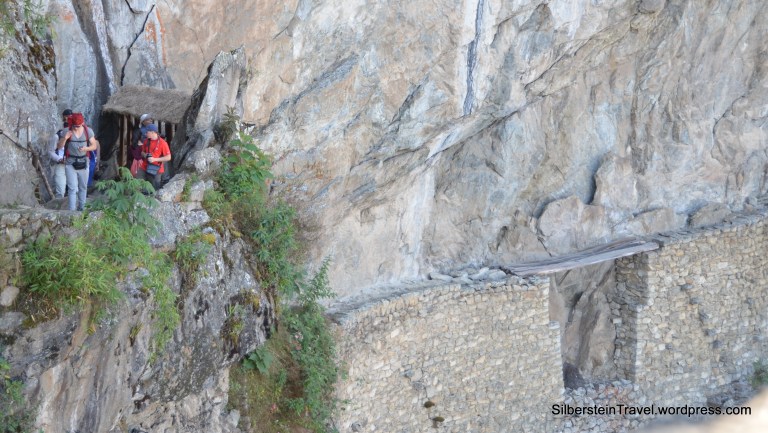
We have gone for the Inka Puente trail. 40 minutes on the ralatively easy way. However, in some places may be tricky due to lack of any safety guards (especially last part which fortunately is not necessary).
Another nice trail (more than 1 hour) is to get straight ahead to Intipunku This is by the way the entrance point for those who come to MP by Inka Trail.
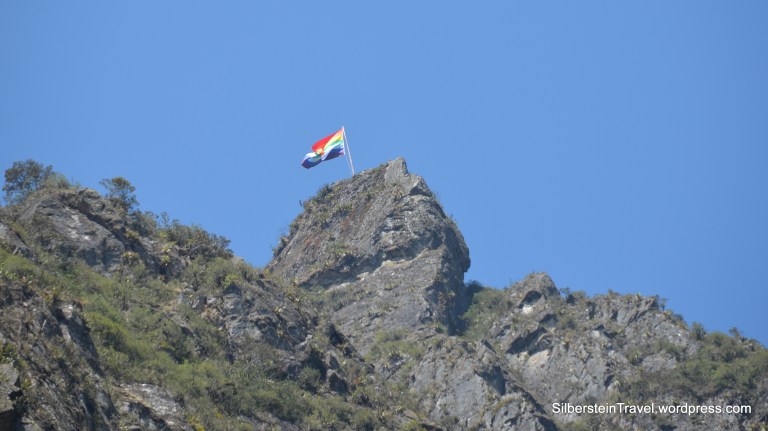
Of course the most popular trails are those on Montana and Huayana Picchu. Please remember that for this you need to have a separate ticket bought well in advance. The number of visitors is restricted to 400 a day so in the high season the tickets will be sold out a month before.
The starting points for all trails are well marked as well as noted on the map.
There is an alternative to avoid geting to MP by extremely expensive train. In Cusco, from the terminal of buses going into direction of Olantaytambo take the bus going north to Santa Maria. There take a collectivo (or private car – should be plenty as surprisigly many people takes this road) to Santa Theresa. Next a short drive (private car) to Hydroelectrica. Here there is a begining of the railway track which will lead directly to Aguas Calientes (11km) along the Urubamba river and round the mountains where MP seats. This alternative is a long trip – 11-12hrs minimum. It includes as well the pleasure of a long driving on curvy local roads with local bus drivers. I must say this was the main obstacle for us so we decided to go by train.
Here you can see part of the railway track as seen from MP. By the way the altitude is somewhere 1800masl so be prepared for jungle conditions, mosquitos including.
The Sanctuary is closing before 5pm. However, we left already after 2pm to be able to catch the train (4pm). The waiting time for the return bus around 1/2 hour.
The trains go from the same terminal. Due to enormous number of people it is necessary to be at least 30minutes in advance. Again, many checkpoints. 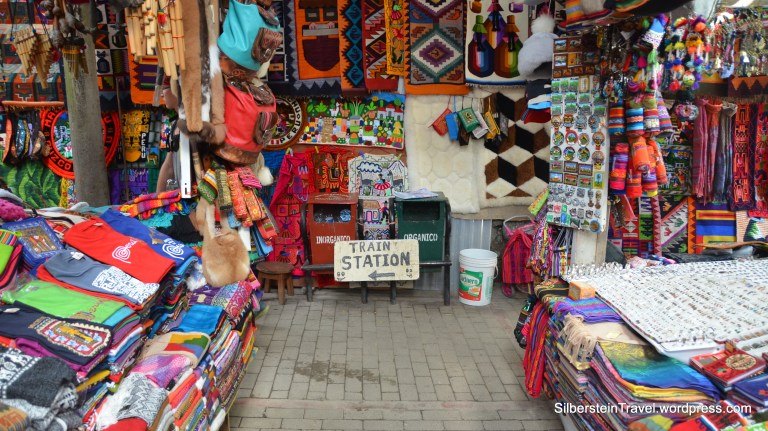
The way to the railway station it is not at all easy as it goes through the crowded market and despite close distance takes something like 15 minutes in the colourful maze.
Horse riding in Cuzco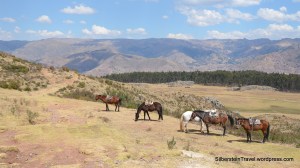
Horse riding around Cusco is very popular entertainment there. The easiest way is to arrange the trip through the hotel. If you did like that and your hotel is friendly you should not pay more than s/60 per person. Be careful with Internet agencies as they charge the same but in USD. Another more demanding option is to go by taxi (s/12) to Sacsaywoman where there are plenty of horse ranchos and for sure in a couple of minutes you will be asked by a local to have a horse ride. Will be less than arrange via your hotel.
The regular ride takes 2-2.5hours. It requires no special horse riding experience but some courage only. The ride is a typical of road, sometimes demanding in a very hilly region. The itinerary is also regular and you are going to visit some secondary archeological sites where Tambomachay and Poca Pocara are the ones worthwhile mentioning.
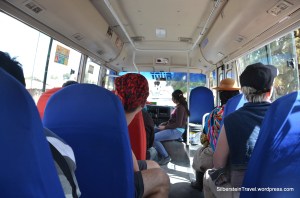
There is a funny trick, however. After 1/2hour of a gently uphill ride you will reach a horse parking close to the road curve. There you will be requested to catch a local bus ( plenty of them so waiting time probably 1 minute, cost s/1) and go around 2minutes to Tambomachay (included in Boleto Turistico). Allow 30minutes for a visit. Then walk back around 10 minutes to the near Poca Pocara. From there catch the return bus to your “curve” stop.
After that you continue your riding for about an hour visiting another place (not exciting) and really enjoying the scenery and pleasure of riding.
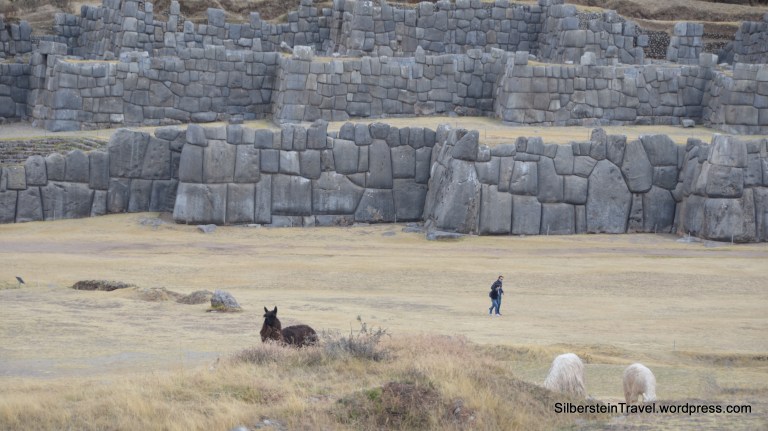
The trip ends close to the entrance to Sacsaywoman and of course it is good to visit this place. That’s indeed amazing stone structure and of course a must see of Cusco. The visit should take a minimum an hour and is rally relaxing.
 Silberstein Travel Tips
Pretty. I hope visit. I’m from Sri Lanka.
LikeLike
Thanks for sharing! One of my lifelong goals is to visit here.
LikeLiked by 1 person
Just came from Sri Lanka. That’s great as well. I have posted some thoughts already. Enjoy 🙂
LikeLiked by 1 person
Thanks, I definitely will.
LikeLike
How lovely! Thanks for sharing!
LikeLiked by 1 person
Just came from Sri Lanka. That’s great as well. I have posted some thoughts already. Enjoy 🙂
LikeLike
Enjoyed your adventure, great photos, especially liked the last one with the stone walls. One of the most beautiful places in the world. Your practical travel tips were good.
LikeLiked by 2 people
Just came from Sri Lanka. That’s great as well. I have posted some thoughts already. Enjoy 🙂
LikeLiked by 1 person
Thanks for tips!
LikeLike
Thanks for useful thoughts
LikeLike
Thanks for amazing tips
LikeLike