
Japan looks for me like a missing puzzle in an Asia game. Having travelled through South and South East Asia I have always had a feeling of missing something. The picture seemed not to be complete. Indeed Japan filled the gap and allowed to digest the unconscious judgement that this huge and colorful region cannot be so homogenous. Frankly speaking when going to Japan do not expect to experience much of the Asian stereotypes. But for sure expect to see a lot of “made in Japan” stereotypes.
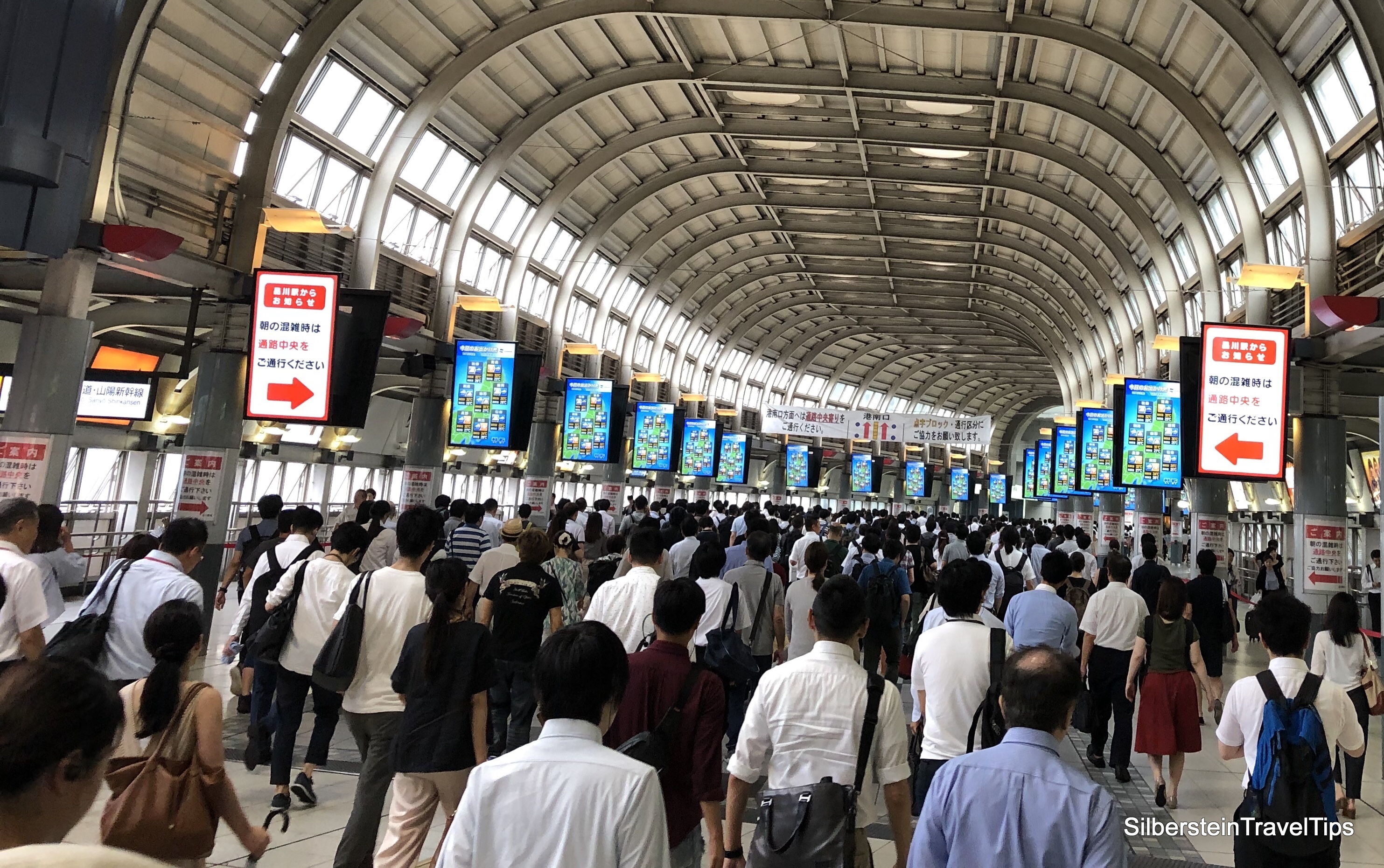
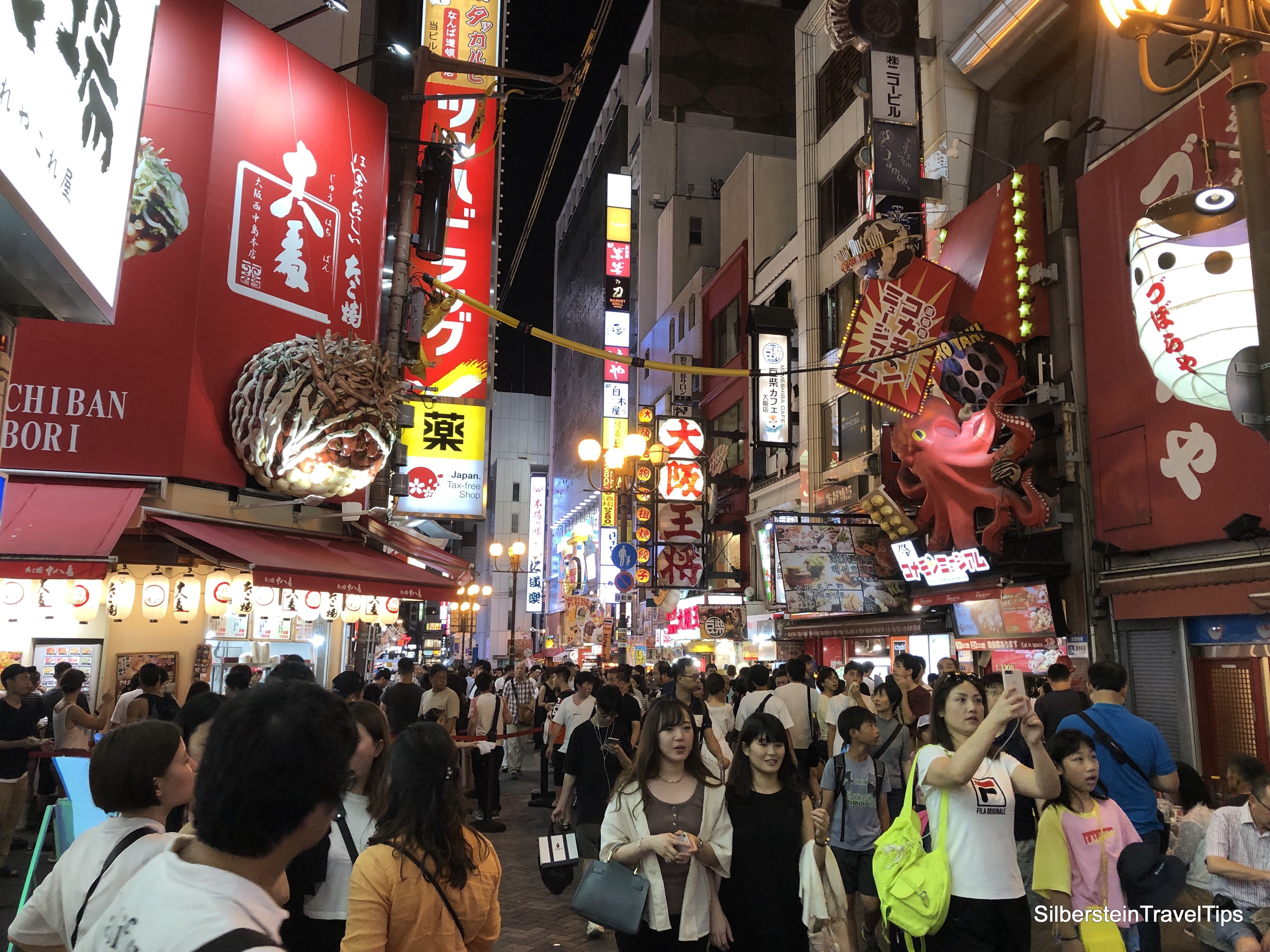
The country is populated with more than 120 million people. To make it short: do not think you will be isolated, especially in the cities like Tokyo or other tourist hot points. Understanding this nobody would expect intimacy in the metro in rush hours or when crossing the road on the famous Shibuya crossing.
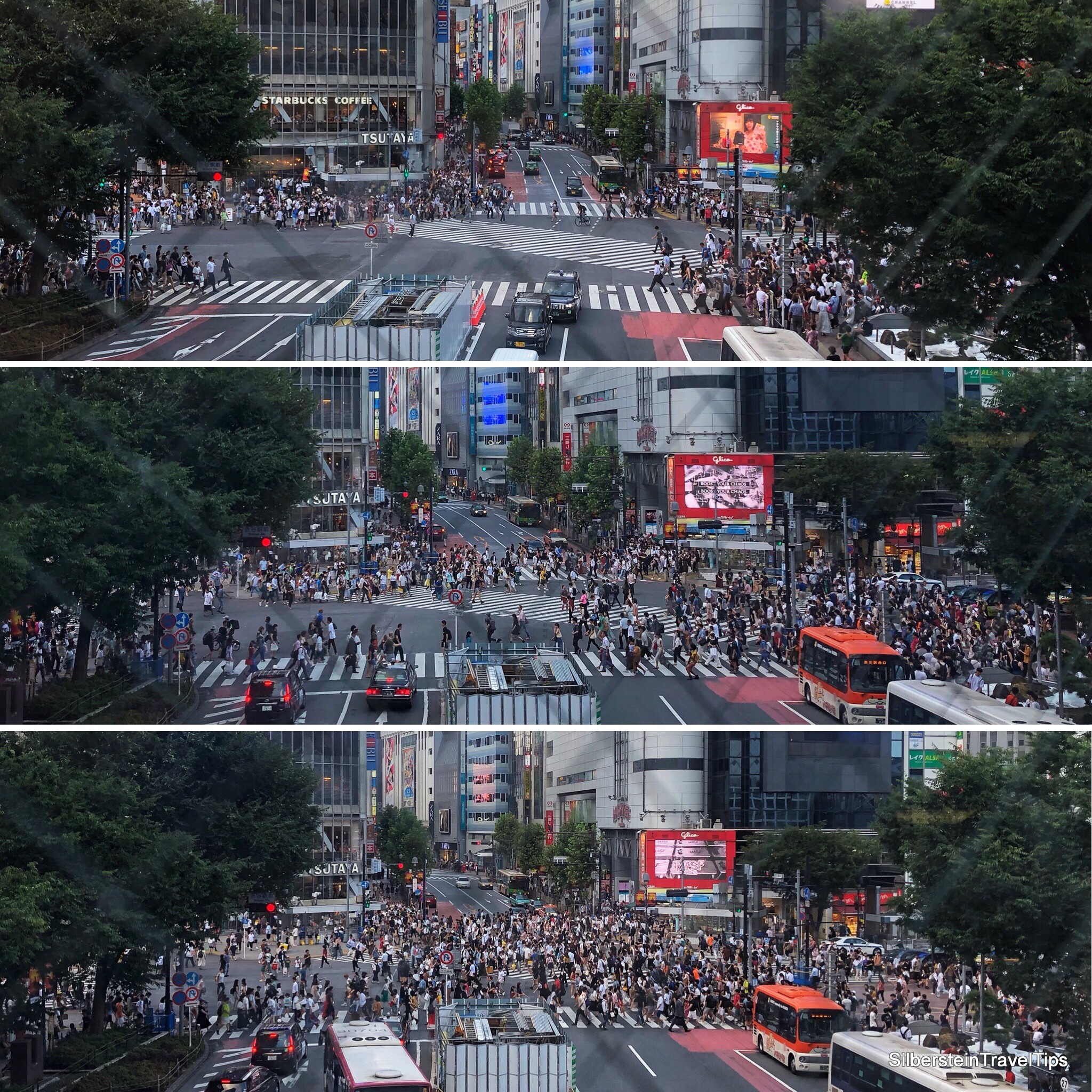
This place is by the way located next to the busiest railway station in the world (something like 3 million people A DAY). Now, I would normally expect a kind of “so what?” from our Chinese fellows. Indeed for them 120m does not sound spectacular and for sure they are used to crowds. I must admit that the feeling of the overwhelming concentration of human bodies was the main memory from my visits in China (for the reference please feel invited to visit my reflections on China visit – by the way, remember GoogleTranslate is your friend). But the biggest difference – some counting variations apart – is the organization. Simply saying Japanese people can control and organize themselves, even in the crowd. I do not think the same can be said about Chinese (try to buy a railway ticket at any big station or simply try to to be successful in queuing anywhere in China). Again please look into this.
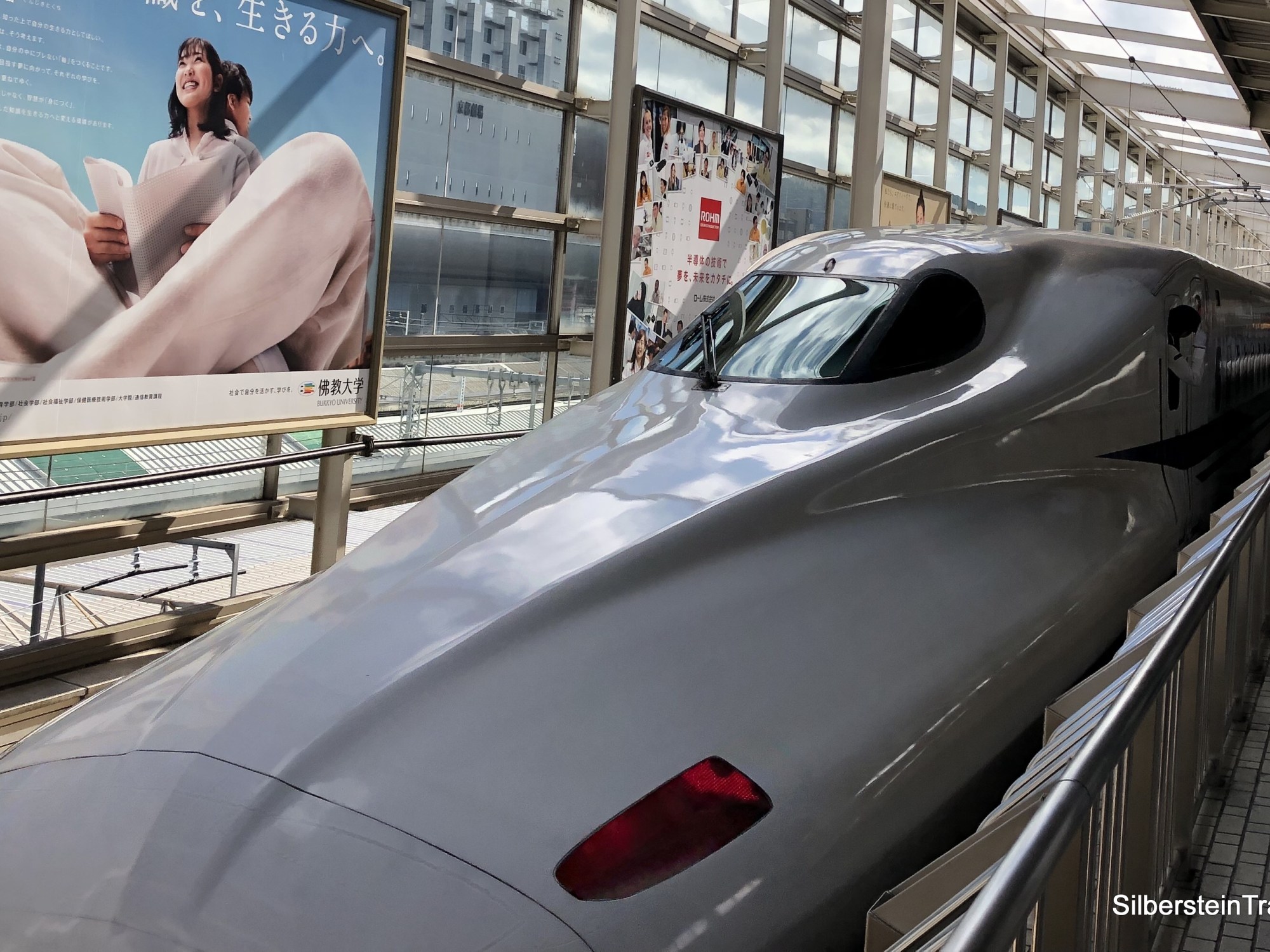
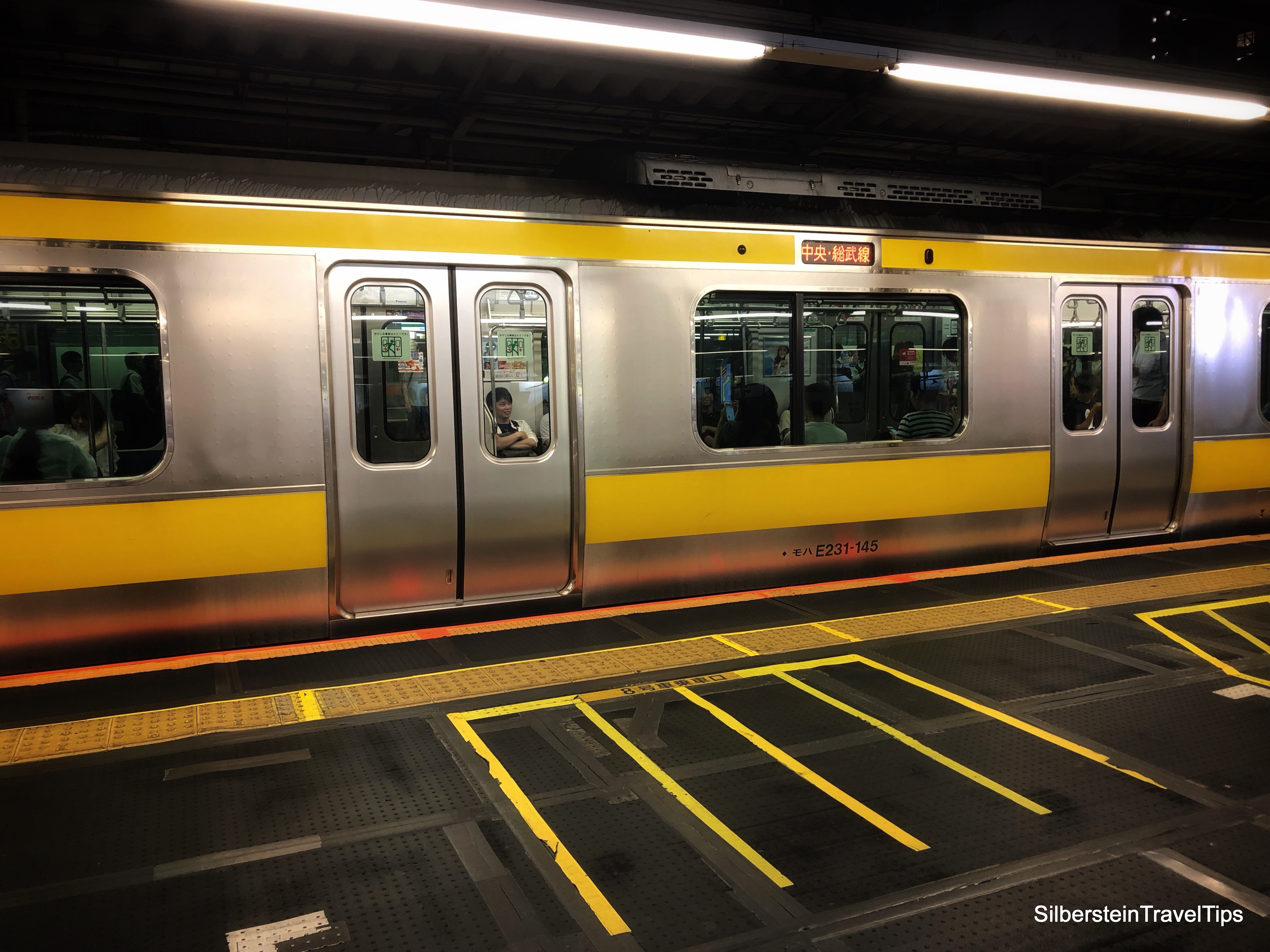
We all know the stories about Japanese trains. How is that possible that with such crowded railway station it is still possible to board the trains smoothly and avoid any delays? They are organized. They set the rules and what is more important they do follow them. A train stops precisely where it should stop – just in front of the doors there are 2 sectors painted in green and red on the platform. The red area says: “stand here – in the line – if you board the nearest train”. If you wait for the next train (which may come in the next 3 minutes after the previous one) you need to make the line in the green sector. The result? Any regular Shinkansen stops for no more than 2 minutes which is enough to board passengers (with luggage). That’s by the way reminds me an experience with Indian railways where I almost missed a train because considered a description “platform 3 and a half” to be a joke like from Harry Potter. It was not and the train was waiting something like a 300 meters away. Japanese would certainly ran crazy in that case. I invite you to take a look at my Indian memories where the train journeys take an important part.
Japanese are quiet, in principle. At least in trains where they do switch off the sound in their phones. Surprisingly they also do not use the megaphones when they have guided tours (Chinese colleagues, could you believe that???). If you want to know what Chinese understand by the “Silence please” sign in the Chengdu Panda park please visit this. Are Japanese afraid of noise? I do not think so. One of my strangest experience was to visit the pachinko place. That’s unbelievably crazy and beyond of any standards. For enthusiasts of such adventures I would recommend a visit in the famous Akihabara district where 5 floors gaming buildings are very frequent. Pachinko usually takes 1 or 2 floors. Floors of enormous mechanical music accompanied with the sound (cacophony!!!) of falling metal balls. And there, many, many people of different age sitting in front of the simple pachinko machines looking at their metal balls rapidly falling down into different holes.
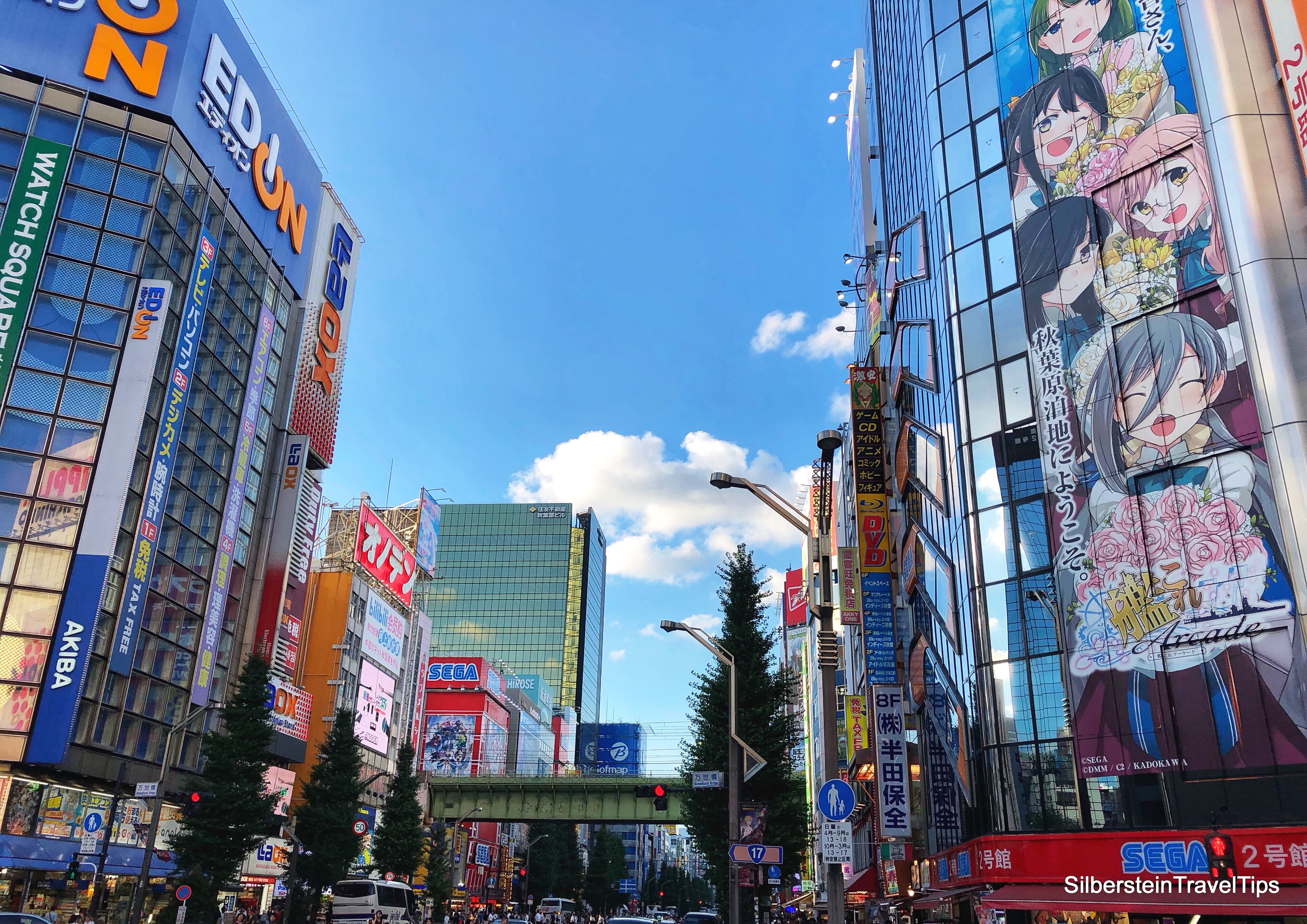
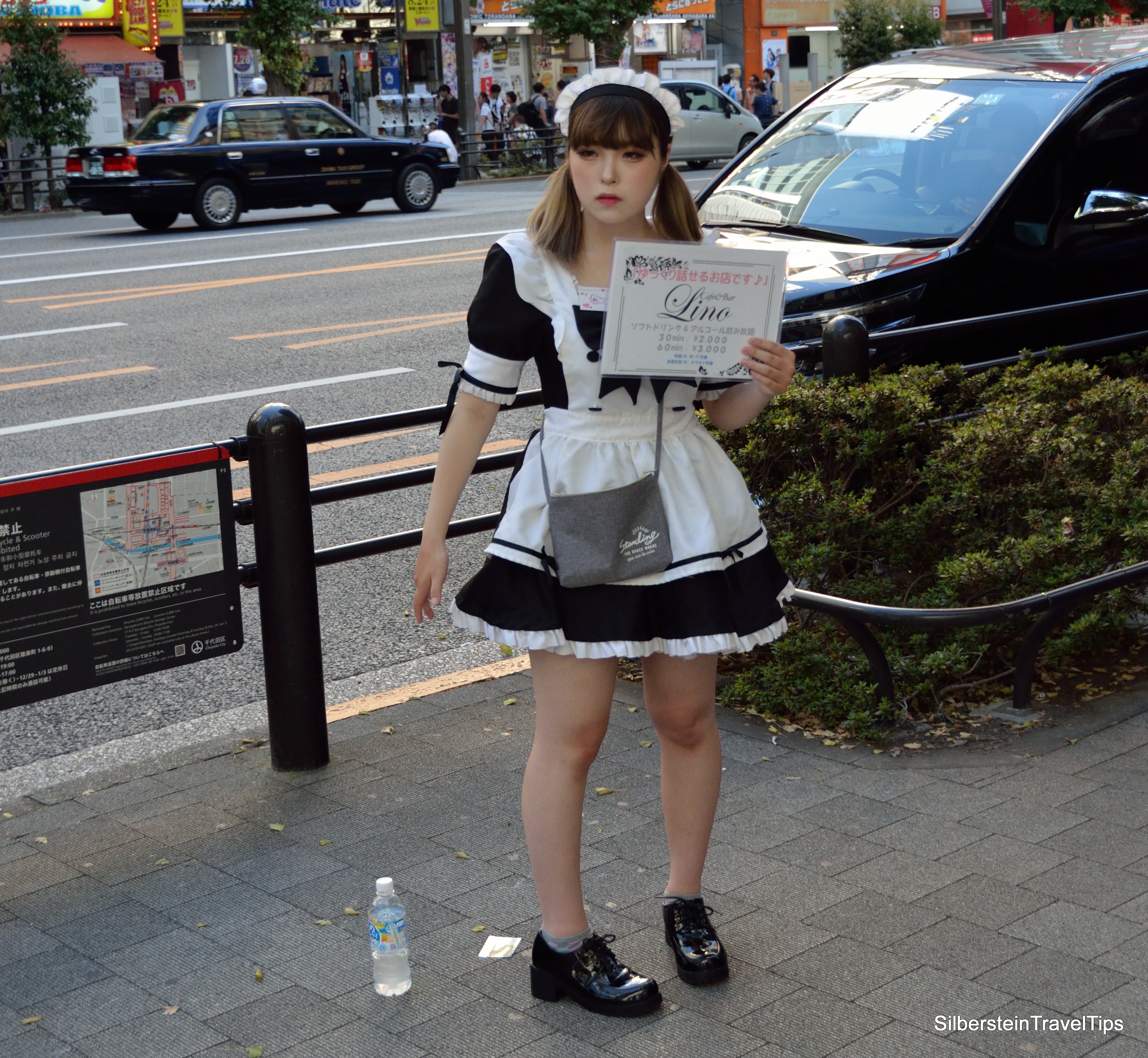
Akihabara is of course a paradise for any game lovers, anime fans and different sort of enthusiasts of being treated “in a special way”. Quite a wide supply of offers from so called maid cafes proves there are many customers seeking for a feeling of being a master served by a she-servant.
Being a European you will be astonished to notice there are – literally- no dustbeans one the streets. Simply, if you have any waste you are supposed to take it with you. If you buy an ice cream the first thing you need to think about is to get rid of the wrapping paper in the point of sale. Otherwise just after 5 minutes later when you normally eat an ice cream you will be desperately looking for a wastebean. No way, just put this creamy fatty piece of paper into your pocket and bring it back to your hotel. The amazing thing indeed is that you do not see garbage on the streets. They do really take care of their waste and when coming back home they precisely segregate waste in a way that a regular European would never understand. This care for waste is really something that distinguishes Japan from the rest of Asia. But to be fare – even in a customer oriented Europe I have never seen so many plastic bags offered in every shop! Did I mention, by the way that normally it is not regular to eat anything on the street? I would say that ice creams and some soft drinks are the only accepted exception. To make the live easier please note that the trains are not streets – there they eat like hell especially enjoying their famous bento boxes.
Eating is a starting point. Guess what can be the end one. Toilets. Is there anybody who has not heard any bizarre stories about Japanese toilets? They are all true. Just not going into details (some language skills would probably reveal some weaknesses while describing the nuances of the toilet related process) I can make the story short. If you are not careful and to easy in touching different buttons (normally marked only in the user friendly Japanese) you may simply wash your head or neck at least instead of… you know what.
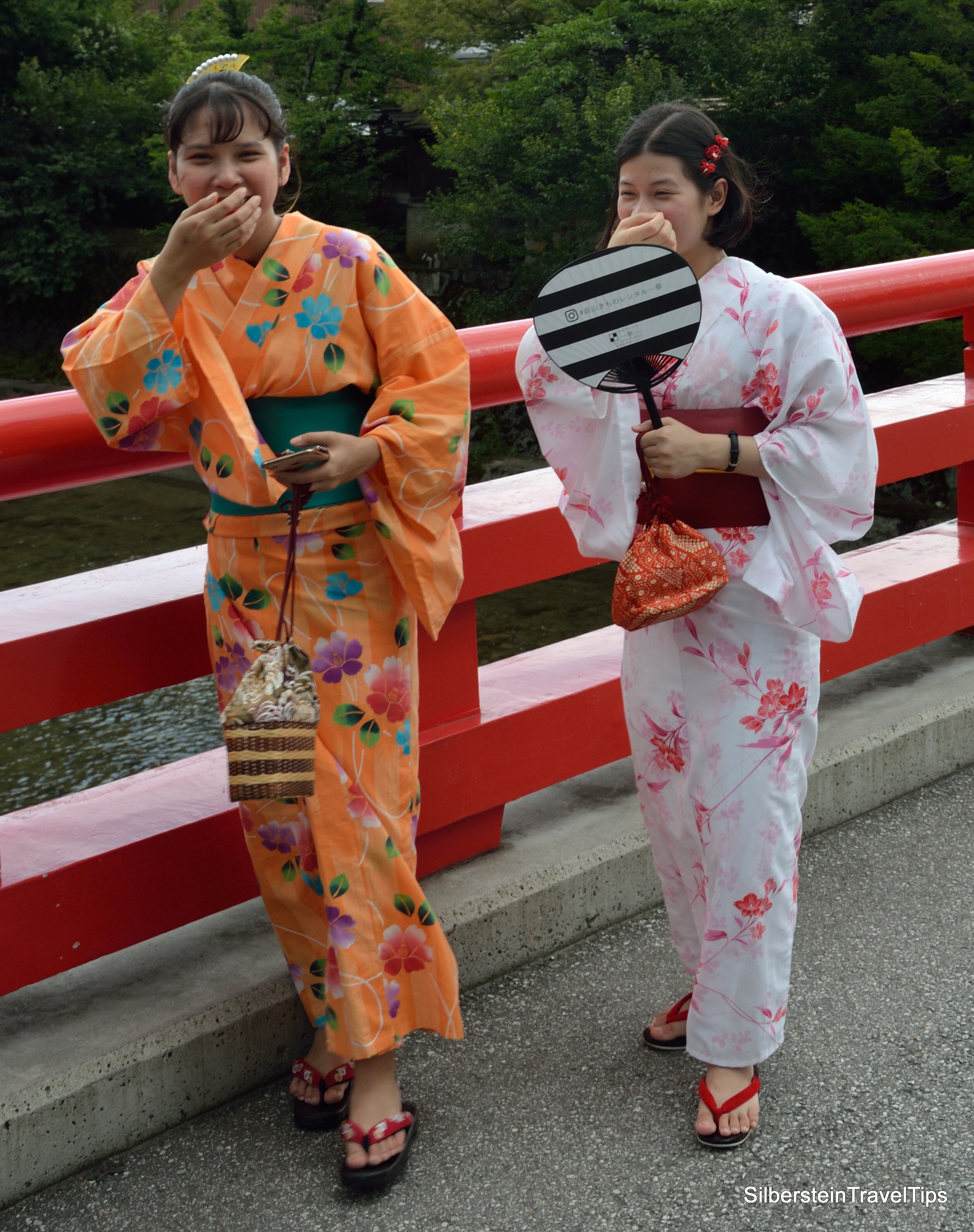
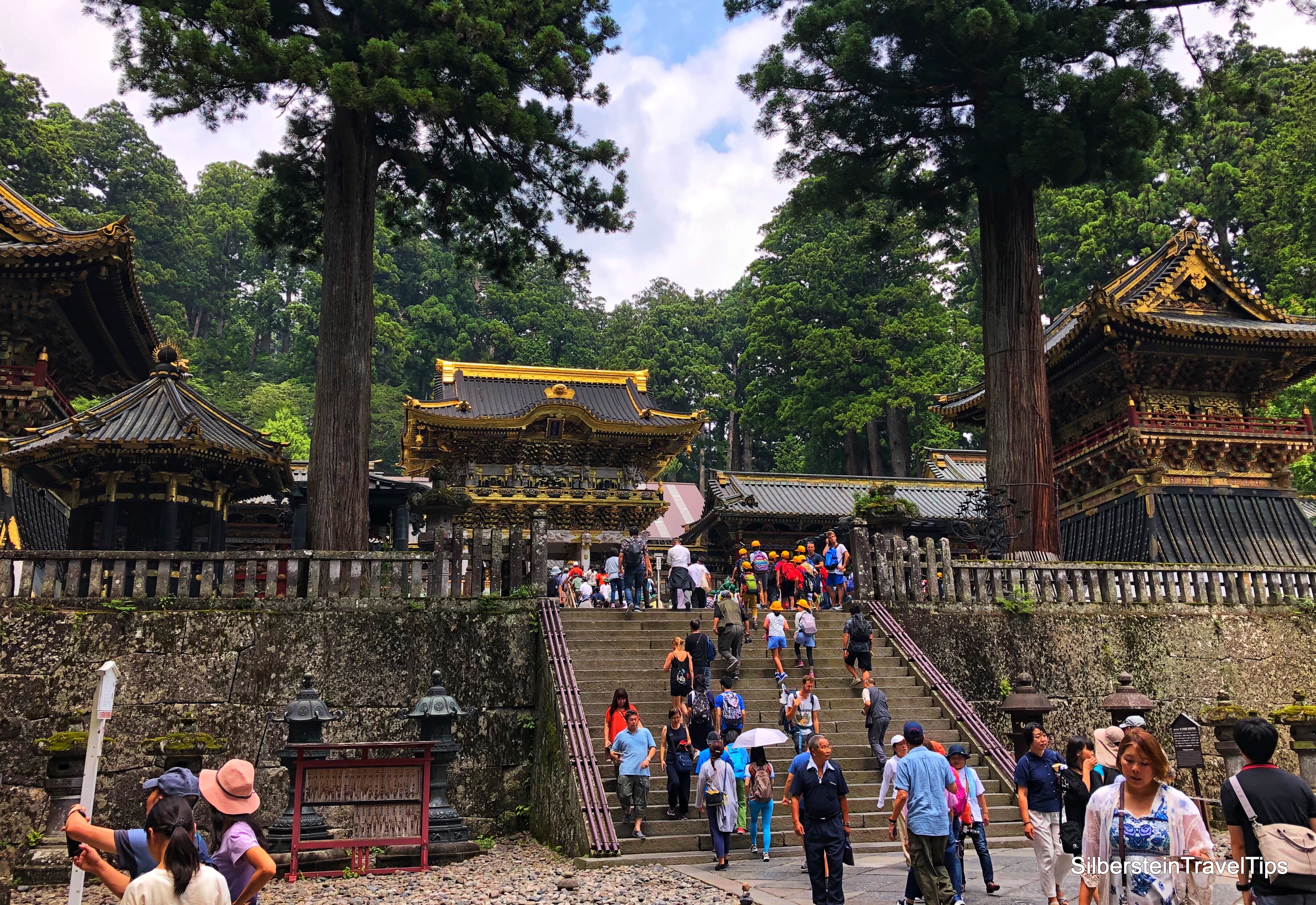
Going away from toilets, I would ask what is the most exotic, interesting, fascinating, different for a regular European visitor in any Asian country? I would vote for temples, shrines and any other religious places. The East is for the western culture human beings a synonym of the different spiritual experience: Buddhism, Hindu as well as Japanese Shinto. Almost everywhere in the Eastern Southern Asia the religion is vital and looks like a sense for living for their habitants. Maybe China is an exception. But Japan? They do have thousands of temples – both Buddhist and Shinto. But they are rarely live worship places, rather touristic place with many visitors equipped with cameras who need to buy ticket to enter. For me that was probably the most distinctive difference between Japan and other Asian countries. Many white faces sitting in a hall of a Japanese temple trying to pretend to celebrate an artificial ceremony conducted by a “priest” (for sure they have their tickets in the pockets as well as cameras ready) to be compared with a vibrant crowd of nepalés Hindu pilgrims waiting in the line in front of the Dakshin Kali temple close to Kathmandu or energetic evening puja in Sri Lankan Kataragama or Sikh ceremonies in any Indian gurudwara or daily evening offerings in Bali or morning alms in Luang Prabang or Malaysian Batu Caves celebrations or even any small temple in Thailand. Japan has hundreds of sacred buildings but they are like museums and unfortunately have nothing to do with religion anymore.
But all in all this is a lovely and unique country!
 Wokoło Globusa